Semaglutide in Singapore – Ozempic & Wegovy Guide for Diabetes & Weight Loss

What is Semaglutide?

Semaglutide is a prescription medication used to manage type 2 diabetes and obesity. In Singapore, it is available as:

Semaglutide works by mimicking GLP-1, a hormone that regulates blood sugar and appetite, helping patients manage glucose levels and reduce body weight.

Semaglutide targets GLP-1 receptors in multiple organ systems to regulate glucose and appetite.

How Semaglutide Works

Semaglutide acts on GLP-1 receptors throughout the body to:

  1. Increase insulin secretion after meals
  2. Reduce glucagon release from the liver
  3. Slow stomach emptying for longer satiety
  4. Suppress appetite via brain signaling

These mechanisms make semaglutide effective for blood sugar control and weight management.

Benefits of Semaglutide

For Diabetes
(Ozempic)

For Obesity
(Wegovy)

For Heart
Health

Key Clinical Trials

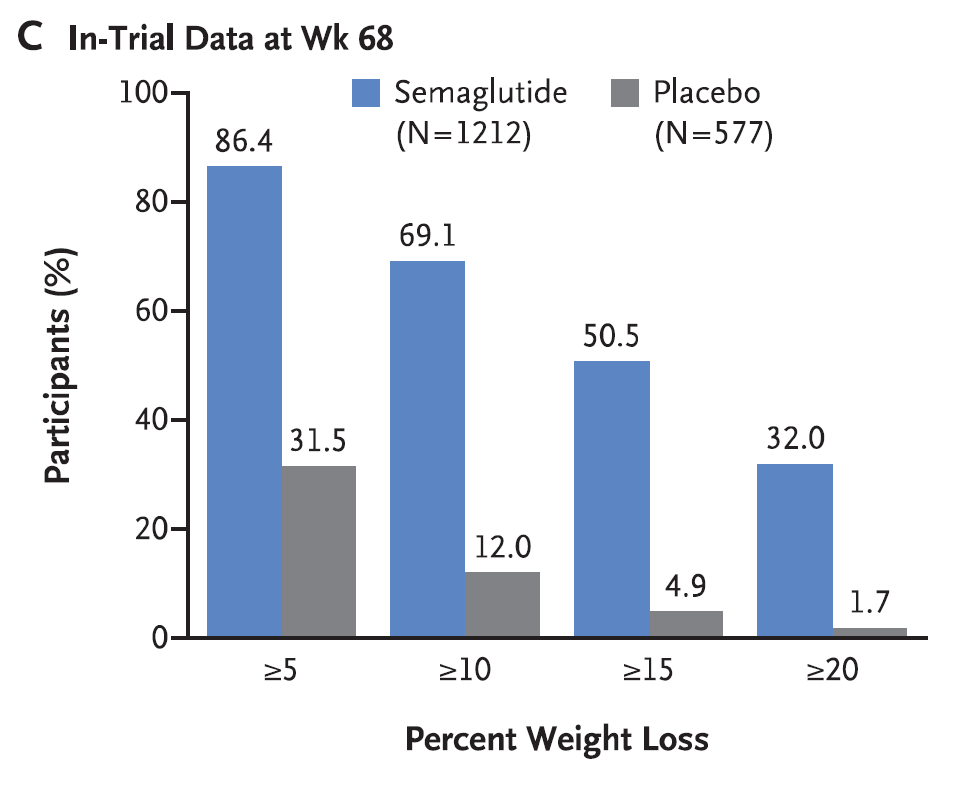
Results of the 68 week STEP 1 trial

Emerging Benefits

SURPASS-2 Trial: Tirzepatide (Mounjaro) versus Semaglutide (Ozempic) for diabetes

Safety and Side Effects

Semaglutide is generally well tolerated:

Common:

Rare but serious:

Switching Between Formulations

Patients may switch between Ozempic and Wegovy- both contain the same active ingredient

Ozempic Wegovy and Semaglutide injections are trending

Where to buy Semaglutide (Ozempic & Wegovy) in Singapore

Price of Semaglutide (Ozempic & Wegovy) in Singapore

Dosage Guidelines

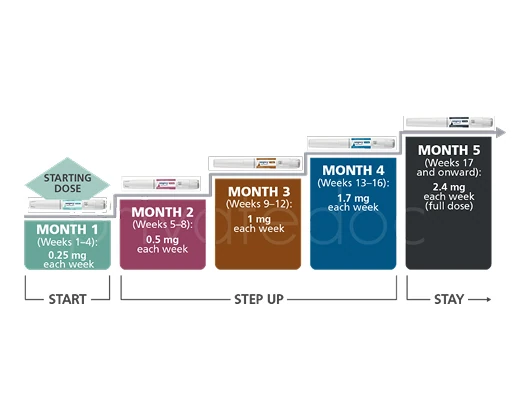
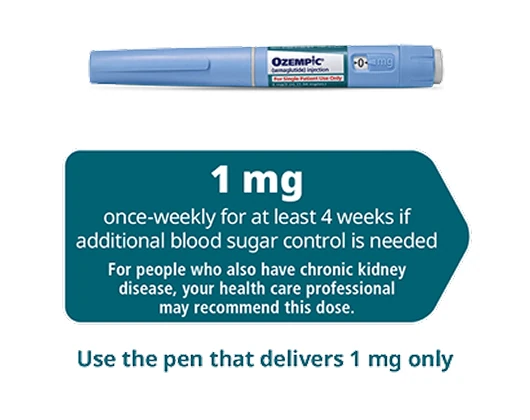
Ozempic & Wegovy: Start with low dose (0.25–0.5mg/week), increase gradually:

Gradual dose escalation helps reduce gastrointestinal side effects and improve tolerance.

Conclusion

Once weekly Semaglutide injections (Ozempic are Wegovy) is a proven, safe, and effective treatment for diabetes, obesity, and cardiovascular risk. These medications are prescription only so patients should follow their doctor’s guidance.

Semaglutide and diabetes: SUSTAIN 1-7 clinical trials

At a glance summary of SUSTAIN trials: Diabetic and overweight patients controlled their diabetes and lost weight when treated with Ozempic, even more so as compared to standard diabetic medication.

In the SUSTAIN 1-7 series of clinical trials which investigated the effectiveness of once weekly semaglutide injections (Ozempic) for the treatment of diabetic and obese patients, semaglutide (Ozempic) consistently demonstrated significant reductions in HbA1c levels compared to placebo and other usual diabetes medications (metformin, sitagliptin, dulaglutide). In addition, diabetic patients treated over a 30-56 week period experienced 4.5-6.5kg weight loss.

Semaglutide and obesity: STEP1 clinical trial

Summary of STEP 1 trial: Patients treated with high dose once weekly semaglutide 2.4mg injections (WeGovy) lost a significant amount of weight over a 68 week period.

The STEP 1 clinical trial, published in the New England Journal of Medicine in 2021, involved 1961 adult patients with obesity (BMI >30) or overweight (BMI >27 with 1 obesity related comorbidity). The patients were randomised into treatment arm with once weekly semaglutide 2.4mg (WeGovy) versus placebo. After 68 weeks, the patient group treated with once weekly semaglutide 2.4mg (WeGovy) experienced significant weight loss of 14.9% body weight reduction versus 2.4% placebo group. The average amount of weight loss in the treatment group was 15.3kg, as compared to 2.6kg in the placebo group. Most of the patients treated with WeGovy lost a significant amount of weight: 32% of patients lost over 20% body weight, 50.5% of patients lost over 15% body weight loss, 69.1% achieved 10% body weight loss and 86.4% achieved 5% body weight loss. Nausea and diarrhea were the most common side effects which were transient and improved with time, with less than 5% of the patients in the treatment group discontinuing treatment from gastrointestinal side effects.

Semaglutide and Cardiovascular risk: SUSTAIN 6 trial

Summary: The SUSTAIN 6 trial looked at the cardiovascular outcomes (cardiovascular death, heart attack and stroke) in high cardiovascular risk diabetic patients being treated with semaglutide (Ozempic) versus placebo- with the results showing a significant 26% reduction in cardiovascular death, heart attack and stroke in patients being treated with semaglutide (Ozempic).

The SUSTAIN 6 trial showed that in patients with type 2 diabetes who were at high cardiovascular risk, the rate of cardiovascular death, nonfatal myocardial infarction (heart attack), or nonfatal stroke was significantly lower among patients receiving semaglutide (Ozempic) than among those receiving placebo. 3297 patients with type 2 diabetes were treated with once-weekly semaglutide injections (0.5 mg or 1.0 mg Ozempic) or placebo for 104 weeks. The primary outcome was cardiovascular death, nonfatal myocardial infarction, or nonfatal stroke. At baseline, 2735 of the patients (83.0%) had established cardiovascular disease, chronic kidney disease, or both. The primary outcome occurred in 108 of 1648 patients (6.6%) in the semaglutide treatment group and in 146 of 1649 patients (8.9%) in the placebo group- representing a 26% reduction in risk.

The SUSTAIN 6 trial showed a significant reduction in cardiovascular death, heart attack and stroke in patients being treated with semaglutide (Ozempic)

Frequently Asked Questions

Semaglutide is the active ingredient found in both Ozempic and Wegovy. Ozempic is approved for type 2 diabetes management, while Wegovy uses a higher dose of semaglutide specifically for medical weight loss.

Semaglutide works by activating GLP-1 receptors, which reduces appetite, slows digestion, and helps you feel full longer. These effects naturally lower calorie intake and support fat loss.

Wegovy is available in Singapore (~July 2025 onwards)

Most people notice changes in appetite within the first 2 weeks, while significant weight or blood sugar improvements typically appear between 8–12 weeks of consistent use.

Doctors usually begin with the lowest dose (0.25-0.5 mg weekly for injections) to minimise side effects, then increase the dose of Ozempic or Wegovy gradually.

Common reactions include nausea, constipation, diarrhea, and bloating. These symptoms are usually mild and improve as your body adapts to the medication.

Clinical studies show that long-term use is generally safe when monitored by a healthcare professional. Regular follow-ups are important to track glucose, weight, and potential side effects.

Yes, people without diabetes may use semaglutide for medically supervised weight loss—specifically the Wegovy formulation or off-label Ozempic depending on availability.

There are no strict food restrictions, but patients often feel better avoiding heavy or oily meals which may lead to bloating

Stopping the medication may lead to weight regain because appetite and metabolic changes return to baseline. Many patients transition to a maintenance plan guided by their doctor and may require low dose treatment long term

Combination therapy should only be done under a doctor’s supervision. Some medications may increase side effects or overlap in how they suppress appetite.

If it has been less than 5 days since your missed dose, take it as soon as you remember. If more than 5 days have passed, skip it and resume your normal weekly schedule. Do not double-dose.

Semaglutide itself usually does not trigger hypoglycemia. However, the risk increases if it’s taken with insulin or sulfonylureas, so dose adjustments may be needed.

Current guidelines recommend stopping semaglutide at least 2 months before conception. It should not be used during pregnancy or breastfeeding.

Yes. Wegovy contains a higher approved dose (up to 2.4 mg weekly) which generally results in greater weight loss compared to the maximum Ozempic dose of 2 mg.

Most users regain some of the lost weight if they discontinue treatment without a maintenance plan. Long-term lifestyle changes are important for lasting results.

Many patients report fewer cravings, especially for high-calorie foods. Early research suggests semaglutide may also reduce alcohol and nicotine urges, but more studies are needed.

Both contain semaglutide. Ozempic is a once-weekly injection, while Rybelsus is a daily oral tablet. They differ in absorption rate and dosing convenience.

Unopened pens must be kept refrigerated. Once opened, they can be stored at room temperature for up to 30 days but should not be exposed to heat or direct sunlight.

Semaglutide may not be suitable for individuals with a history of gallstones, pancreatitis, medullary thyroid carcinoma and MEN2 syndrome. Pregnant or breastfeeding females are also not suitable.

Contact Us

Book An Appointment Now

Take the first step toward a healthier, more confident you. Our medical team is ready to answer your questions and guide you through safe, personalised weight-loss options. Reach out today to schedule a consultation or speak with our care specialists.